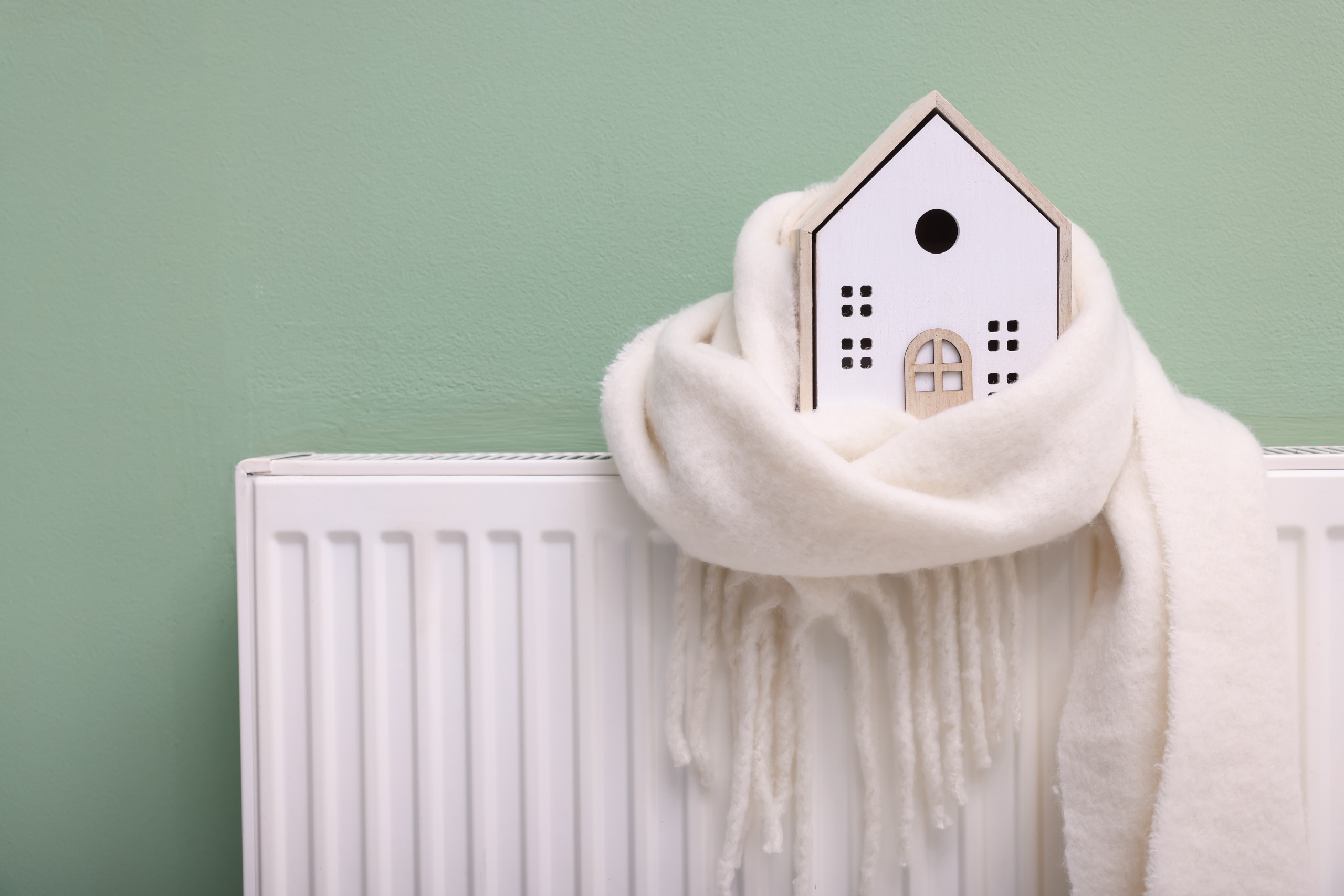

The first cold week of fall is usually when radiators start acting up. One room feels warm while the bedroom down the hall stays cold, or a radiator is hot at the bottom and cool across the top.
Uneven heat is one of the most common problems in homes with hot water radiators, and many of the causes are simple to fix. Here’s what’s usually behind it and when to call a professional.
Common Reasons Radiators Heat Unevenly
A boiler heats water and pumps it through pipes to each radiator, then the cooled water returns to be heated again. When something interrupts that loop, some rooms get less heat than others.
Trapped Air in the System
Air is the most common cause. It collects at the top of a radiator and keeps hot water from filling it, so the top stays cool while the bottom feels warm. You may also hear gurgling or knocking when the heat comes on.
Low Boiler Pressure
The system needs enough pressure to push water to every radiator, especially upstairs. If the gauge on your boiler reads lower than usual, the radiators farthest from the boiler are often the first to go cold.
Sludge & Sediment Buildup
Over the years, rust and minerals settle inside pipes and radiators and gather at the bottom. A radiator that’s warm on top and cold along the bottom is a common sign, especially with the original cast iron radiators in many older Seattle homes.
Stuck Valves or an Unbalanced System
Radiator valves can stick after sitting all summer, letting in less hot water than the radiator needs. Radiators closest to the boiler also get hot water first, so if the system was never balanced or a radiator was added during a remodel, the far rooms may never keep up.
How to Bleed a Radiator Safely
Bleeding releases trapped air, and many homeowners can do it themselves.
- Turn the heat off and let the radiators cool.
- Find the small bleed valve near the top corner of the radiator.
- Hold a rag under the valve and open it slowly with a radiator key or flathead screwdriver.
- Close the valve once the hissing stops and a steady trickle of water appears.
- Check the boiler pressure gauge afterward, since bleeding can lower it.
Start with the radiators closest to the boiler and work outward, finishing upstairs. Steam systems work differently, so don’t open their vents this way.
When Uneven Heat Points to a Bigger Problem
Some signs mean the issue is in the boiler or piping:
- Radiators go cold again within days of bleeding
- Boiler pressure keeps dropping, which can point to a leak
- Water is pooling around a radiator, valve or pipe
- Banging continues after the air is out
- Several rooms are cold at once, even with the thermostat turned up
A radiator that heats unevenly in October usually gets worse by January, when the system is working harder. Getting it checked now means repairs happen before the busy season. For a broader checklist, see our guide on how to prepare your heating system for the cold season.
Why Choose Service Plumbing & Heating for Radiator & Boiler Service
Service Plumbing and Heating has worked on homes across Seattle, Shoreline, Lynnwood, Bellevue, Kirkland and the surrounding Snohomish and King County area for over 35 years. Through its residential heating services, the team handles boiler installation, radiator repairs and radiant heating, and knows older cast iron systems as well as newer equipment. The heating maintenance programs keep your system checked on a regular schedule, and every job is backed by a 100% satisfaction guarantee.
Get Even Heat With Service Plumbing & Heating in the Greater Seattle Area
If some rooms are still cold after bleeding the radiators, or your boiler pressure won’t hold steady, contact Service Plumbing and Heating to schedule radiator and boiler service before the cold weather settles in.